
A sun lounger looks like a simple purchase. It isn’t. The wrong choice spends one summer looking good and the next two looking tired, faded, cracked, or too uncomfortable to actually use.
South Africa’s outdoor conditions are demanding. Intense UV, coastal salt air, and dry Highveld heat all take a toll on outdoor furniture that isn’t built for it. This guide cuts through the noise: here’s what actually matters when buying a sun lounger in SA, and what to look for before you spend.
Why Most Sun Loungers Fail Too Soon
The most common failure mode is UV degradation. Cheap outdoor furniture uses standard polymers or untreated materials that absorb UV radiation over time, the plastic becomes brittle, the colour fades, and the structural integrity breaks down. In South Africa’s sun, this process happens faster than most buyers expect.
The second failure mode is poor weight distribution. A lounger that feels fine when you first sit in it can crack or buckle over time if the frame and slat design doesn’t spread load correctly. This is especially true for loungers with a recline mechanism, cheap hinges are the first thing to fail.
The third is corrosion. Metal-framed loungers in coastal environments (Cape Town, Durban) need to be powder-coated or made from marine-grade aluminium or stainless steel. Standard steel, even painted, won’t last two years near the ocean.
Materials: What to Choose for SA Conditions
Polypropylene (PP), best all-rounder. UV-stabilised PP is the go-to for most SA pool and patio environments. It handles sun, water, and salt air without degrading, it’s lightweight enough to move around easily, and it’s easy to clean. The main limitation is that it has a contemporary aesthetic that doesn’t suit every setting.
Powder-coated aluminium, premium and coastal-safe. Aluminium frames with powder coating are the right choice for coastal properties. The frame won’t rust, and quality powder coating holds its finish for years. Expect to pay more, but it’s a material choice you won’t regret next to the ocean.
Teak and hardwoods, beautiful but high-maintenance. Teak loungers look exceptional and can last decades with proper care. The caveat is that care: they need regular oiling, they can’t be left in standing water, and they’re heavy. For homeowners willing to maintain them, teak is hard to beat. For anyone who wants low maintenance, look elsewhere.
Cheap PVC or resin weave, avoid. These materials look appealing at low price points but degrade rapidly in SA sun. UV-untreated resin becomes brittle and crumbles. If the price seems too good, check the material spec before buying.
What to Check Before You Buy
UV stabilisation, ask specifically whether the material is UV-stabilised, not just “weather-resistant.” Weather-resistant can mean it handles rain. UV stabilisation means it won’t fade and crack in direct sun. These are different things.
Weight capacity, most quality loungers are rated to 120,150kg. If the spec sheet doesn’t mention a weight rating, that’s a red flag.
Recline positions, a good lounger has at least 3 backrest positions. The adjustment mechanism should click firmly into place and feel solid. Test it before buying if you can.
Stackability, if storage space matters (and for most SA homes and hospitality venues it does), check how cleanly the lounger stacks and how many high. Quality loungers are designed to stack without scratching each other.
Wheels or feet, a lounger you actually use gets moved around. Rear wheels make repositioning easy without dragging. Non-slip feet protect pool surrounds from scratches.
Pool Deck vs Garden Lawn: Does It Matter?
Yes. A lounger on a hard pool deck needs non-slip rubber feet to avoid scratching the surface and to stay put on wet tiles. A lounger on grass or gravel needs wider feet that won’t sink into soft ground. Most quality PP and aluminium loungers are designed for hard surfaces, check the feet design if you’re placing on lawn.
Chair Crazy’s Top Sun Loungers
The Slim Pool Lounger is the workhorse of the Chair Crazy outdoor range. Made from UV-stabilised polypropylene with a slatted design that drains immediately, no puddles after a swim. It stacks efficiently for storage and comes in colours that hold their finish in SA sun. The profile is modern and clean, fitting both residential pools and commercial hospitality settings.
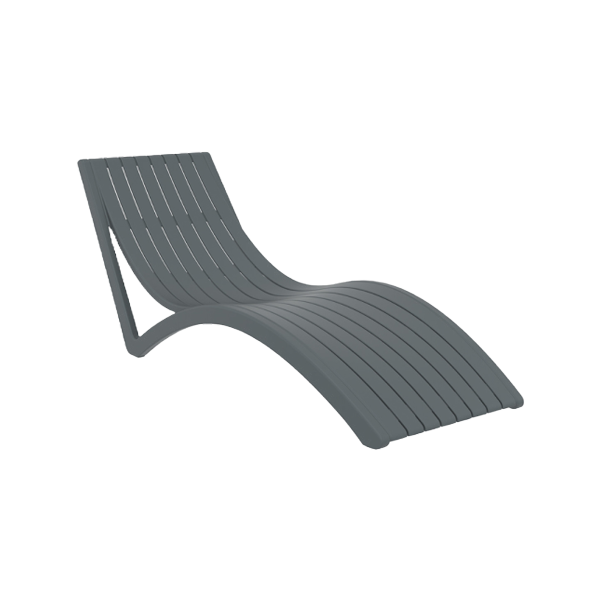
Slim Pool Lounger, stackable, UV-stabilised PP
For a step up in comfort and presence, the Pacific Sunlounger brings a more substantial frame and a reclining backrest with multiple positions. It’s designed for longer sessions, the kind of lounger you actually stay in rather than just perch on. The frame construction is built to handle commercial use, making it a solid choice for guesthouses, boutique hotels, and larger residential pools.
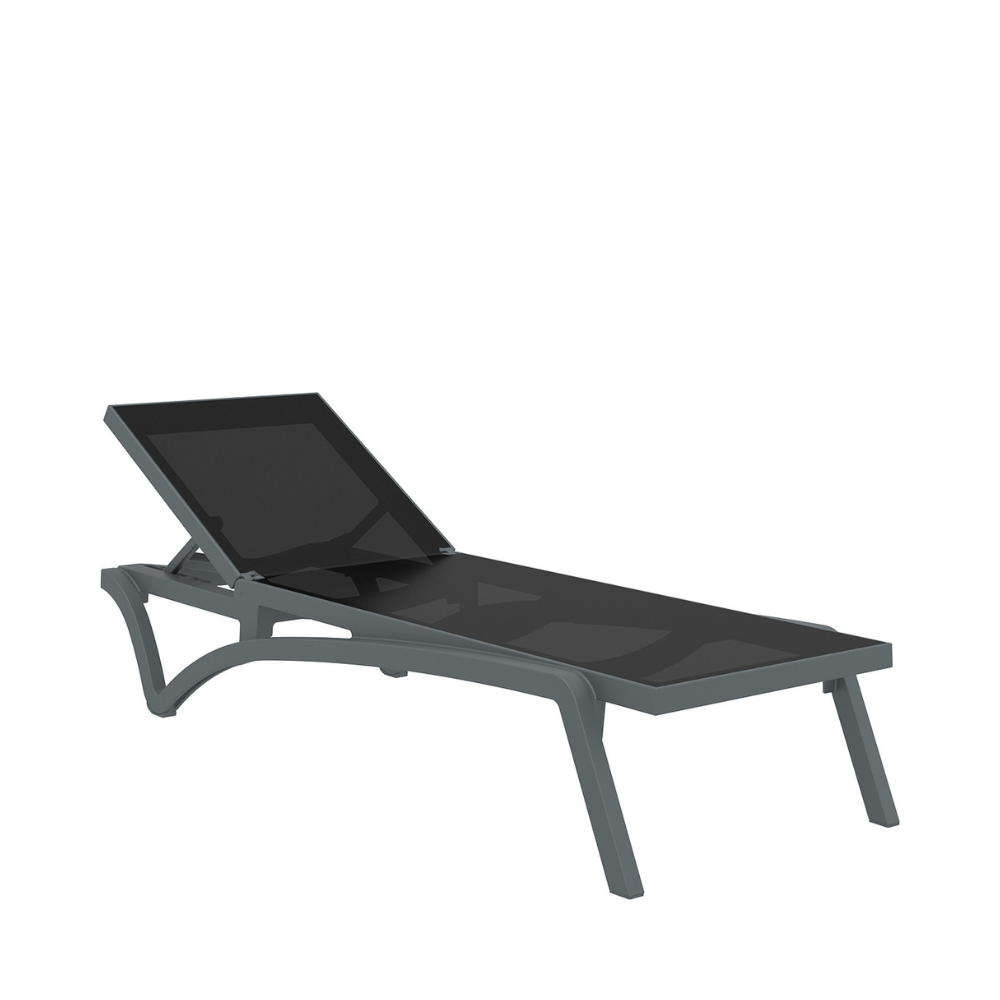
Pacific Sunlounger, adjustable recline, built for extended use
How Many Do You Need?
A practical rule for residential pools: one lounger per regular swimmer, plus one or two spares for guests. For hospitality, the standard is 2,3 loungers per metre of pool edge on the primary sunbathing side. Order in even numbers, pairs look better and are easier to arrange symmetrically.
Both the Slim and Pacific loungers are available in volume for hospitality orders. Contact Chair Crazy directly for trade pricing on larger quantities.
Ready to Upgrade Your Pool Deck?
Visit us in person:
Cape Town: 176 Sir Lowry Road, Woodstock
Johannesburg: Unit 2, 64 Lechwe Street, Midrand
[email protected]