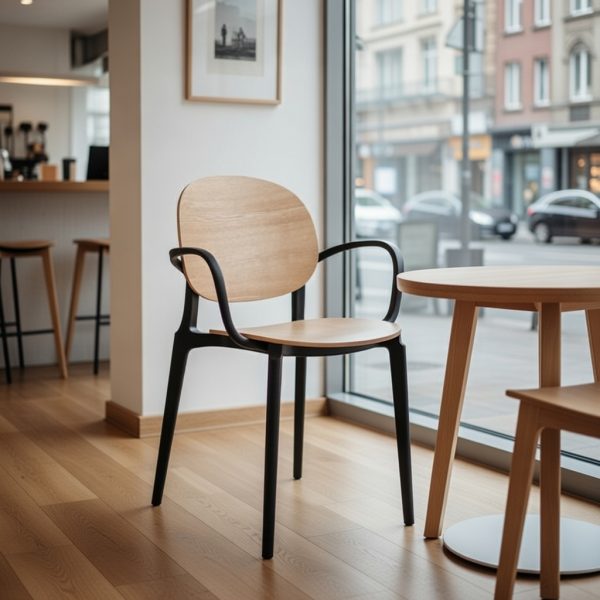
You can serve the best plate of food in town, but if the dining room feels cramped, noisy and awkward to move through, diners leave with a memory of the discomfort, not the meal.
Restaurant dining room design is one of the most underrated tools a South African hospitality owner has. It shapes how long guests stay, how much they spend, how hard your staff have to work, and whether they book a table again. This guide walks through the practical decisions, layout, seating, tables, comfort and durability, that turn a room full of furniture into a dining room people actually want to return to.
Why Restaurant Dining Room Design Earns Repeat Customers
A dining room does a quiet job every single service. It sets the pace of the meal, signals the price point before the menu arrives, and decides whether a guest feels relaxed or rushed. Get it right and customers linger, order another round, and recommend you to friends. Get it wrong and they eat quickly and leave, no matter how good the kitchen is.
For South African restaurants, especially in competitive areas like Cape Town’s CBD, the Johannesburg northern suburbs, or the Durban beachfront, the dining room is a real point of difference. Two venues can sell similar food at similar prices, and the one that feels considered and comfortable wins the repeat visit. Good restaurant dining room design is not about spending the most money. It is about making deliberate choices that respect both the guest and the way your team works.
Get the Layout Right: Table Spacing and Flow
Layout is the foundation. Before you choose a single chair, map how people and plates move through the room. A workable dining room layout for hospitality balances three things: enough covers to stay profitable, enough space for guests to feel unhurried, and clear runs for staff carrying trays.
As a practical starting point, allow roughly 600mm of table width per diner, keep around 450 to 600mm between the backs of chairs at adjacent tables, and leave main walkways at least 900mm to 1,200mm wide. Two-tops along walls and banquettes use space efficiently, while four-tops in the centre give you the flexibility to combine for larger groups. Position the busiest routes, kitchen pass to floor and floor to till, so they never cut straight through a guest’s table.
Think about zones too. A row of bar-height or window seating suits quick solo lunches, while deeper corners suit long dinners and celebrations. Zoning lets one room serve very different occasions without ever feeling chaotic.
Choose a Seating Mix, Not a Single Chair
One of the most common mistakes is buying a single chair in bulk and filling the entire room with it. A considered seating mix looks more inviting, photographs better, and lets you match the chair to the spot it sits in.
For everyday covers, a hard-wearing, easy-to-move chair is the workhorse. The Maya Chair is a strong default: a stackable polypropylene chair that handles both indoor and outdoor use, wipes clean in seconds, and stacks away when you need the floor clear for a function. Polypropylene shrugs off the daily knocks of service and copes well with South African sun on a covered terrace.
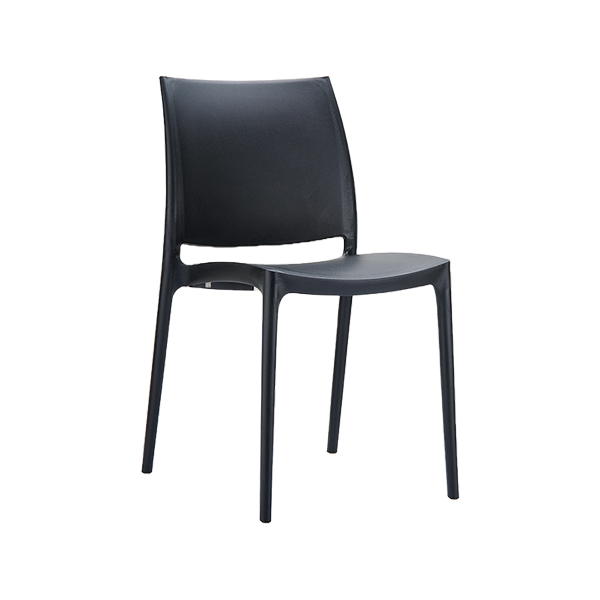
Maya Chair – stackable, indoor and outdoor, easy to wipe clean
For comfort zones, where guests settle in for a three-course dinner, an armchair earns its place. The Carmen Armchair from the Siesta Exclusive range adds support and a more generous feel at premium tables and lounge corners, without taking up much more floor space than a standard side chair.
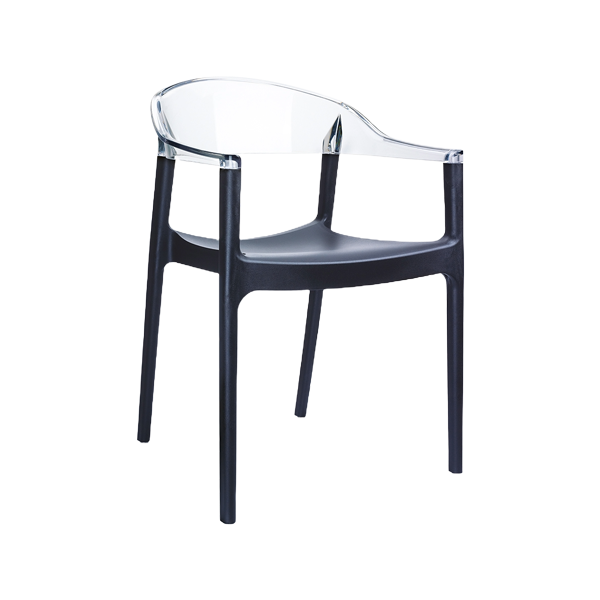
Carmen Armchair – added comfort for premium and lounge seating
To add character, layer in one or two accent chairs. The upholstered Rory Dining Chair brings a warm, mid-century look to feature tables, while the Odesa Dining Chair offers a clean, contemporary profile. Used sparingly against a backbone of practical chairs, accent pieces give the room visual rhythm rather than visual noise.
Tables: The Anchor of Every Cover
Chairs get the attention, but tables decide whether a layout actually works. The wrong table size wastes space or crowds plates, and the wrong base wobbles and quietly frustrates guests all night.
A rectangular table around 1200 x 800mm, like the Mika Dining Table, comfortably seats four and pushes together neatly for larger parties, which makes it a flexible core size for most dining rooms. Keep table heights consistent at roughly 750mm so any chair fits any table, and favour stable bases that do not catch guests’ feet. Mixing a couple of table sizes, two-tops and four-tops, gives your front-of-house team room to seat the party in front of them rather than the party they wish they had.

Mika Dining Table – a flexible 1200 x 800mm core size for four covers
Comfort, Acoustics, and Lighting
Restaurant interior design is as much about how a room feels as how it looks, and three factors quietly decide that feeling.
Comfort comes first. A chair that is pleasant for twenty minutes can be punishing after ninety, so test seat depth and back support before you commit, particularly for dinner-focused venues. Acoustics come next. Hard floors, bare walls and high ceilings look smart but bounce sound until tables have to raise their voices. Soften the room with upholstered seating, fabric panels, plants or curtains so conversation stays easy. Lighting ties it all together: brighter, cooler light suits a fast daytime cafe, while warmer, lower light at night signals guests to slow down and stay a while.
Restaurant Dining Room Design That Survives Daily Service
A beautiful room that wears out within a year is a false saving. Restaurant dining room design for South African venues has to plan for relentless use: chairs dragged dozens of times a day, spills, cleaning chemicals, and stacking for events.
This is where commercial-grade furniture pays for itself. Ranges built for hospitality, such as Siesta Exclusive and the Chair Crazy Collection, use materials and joints rated for daily trade rather than occasional home use. Stackable chairs like the Maya make deep cleaning and function setups far quicker. When you compare options, ask about weight ratings, whether spares and matching pieces will still be available in a year, and how the finish handles repeated wiping. Furniture chosen on durability keeps the room looking deliberate long after the opening-week photos.
Ready to Design a Dining Room That Brings Diners Back?
Chair Crazy supplies restaurants, cafes, hotels and guesthouses across South Africa with commercial-grade seating and tables built for the demands of daily service. Browse the restaurant range to start planning your room.
Visit us in person:
Cape Town: 176 Sir Lowry Road, Woodstock
Johannesburg: Unit 2, 64 Lechwe Street, Midrand
[email protected]