
South African restaurants are raising the bar in 2026, and the furniture is doing a lot of the heavy lifting.
After a few years of “functional first” thinking, hospitality owners across Cape Town, Johannesburg, and beyond are investing in dining spaces that genuinely turn heads. Whether you’re opening a new venue or refreshing an existing one, knowing what’s trending in restaurant furniture right now can help you make smarter buying decisions, ones that attract customers and hold up to daily commercial use.
Here’s what’s shaping restaurant furniture trends in South Africa for 2026, and how to apply them practically.
1. Warmth and Texture Are Back in a Big Way
The cold, minimalist look, all white walls, bare concrete, metal chairs, is fading. In its place, South African restaurateurs are embracing warmth: rich tones, fabric seating, natural materials, and layered textures that make guests want to linger.
Fabric dining chairs are a major part of this shift. They add immediate visual softness and acoustic comfort, important in busy, noisy dining rooms. The key is finding fabric chairs that are genuinely commercial-grade, not just good-looking.
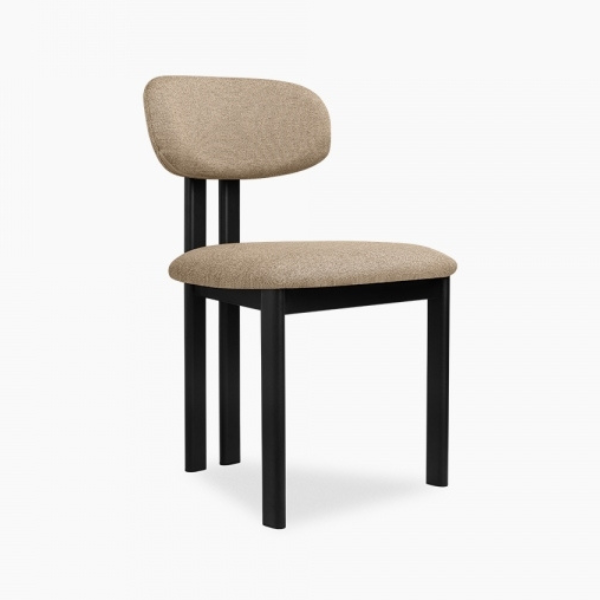
Rory Dining Chair, upholstered comfort built for commercial use
The Rory Dining Chair is a strong fit for this trend. Its upholstered seat brings warmth and comfort to any dining room, while its solid frame handles the rigours of a commercial environment. It works equally well in a sit-down restaurant, a boutique hotel dining room, or a wine-paired supper spot.
2. Sculptural Seating That Doubles as Décor
Furniture is increasingly part of the design story, not just the functional backdrop. In 2026, statement chairs, pieces with a distinctive silhouette, are being used as visual anchors in dining spaces. Think curved backs, bold shapes, and chairs that photograph well without trying too hard.
This is particularly relevant for Cape Town’s design-conscious restaurant scene, where social media presence plays a real role in driving footfall. A memorable chair in a well-lit corner can do more for your Instagram feed than a feature wall.
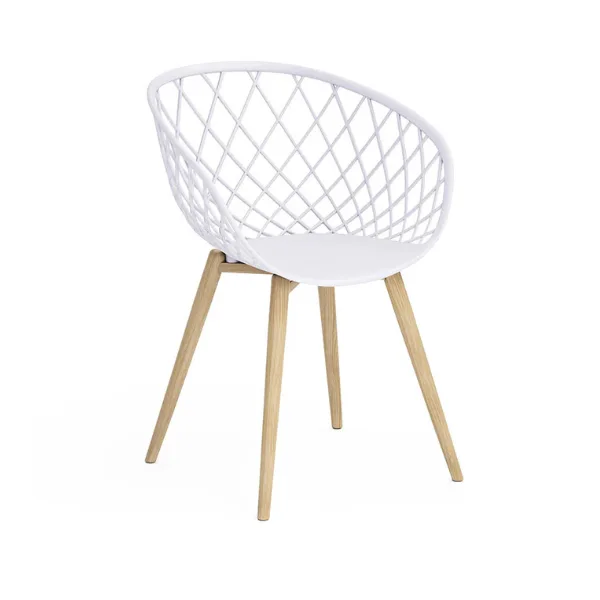
Kurv Arm Chair, sculptural silhouette with commercial durability
The Kurv Arm Chair delivers exactly this. Its curved, flowing form makes an immediate visual impression while still being practical for daily restaurant use. Available in white and black, it suits both contemporary and transitional dining interiors, and the armrests add a touch of comfort that guests appreciate during longer meals.
3. Stackable Chairs for Multi-Use and Flexible Venues
As hospitality venues become more flexible, hosting brunches, private events, popup dinners, and corporate lunches in the same space, operators need furniture that can be rearranged and stored quickly without damage. Stackable chairs that don’t sacrifice aesthetics are in high demand.
The best stackable commercial chairs today look nothing like the plastic banquet chairs of the past. Polypropylene technology has come a long way, producing lightweight, UV-resistant, and very durable seating in genuinely attractive forms.
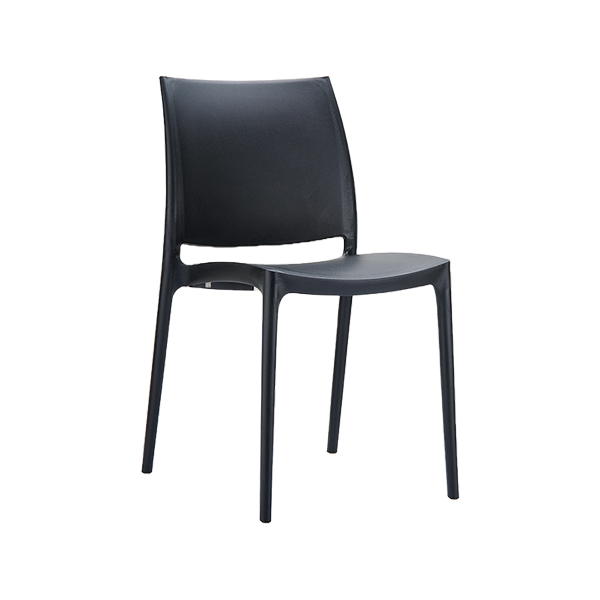
Maya Chair, stackable, indoor/outdoor, commercial-grade PP
The Maya Chair is one of Chair Crazy’s most popular choices for this reason. Made from commercial-grade polypropylene, it stacks cleanly, handles indoor and outdoor use, and comes in multiple colours, so it fits naturally into almost any venue’s palette. It’s a workhorse chair that earns its place at every table.
4. Indoor-Outdoor Continuity
South Africa’s climate makes outdoor dining a year-round reality in most cities, and in 2026, the best venues are blurring the line between inside and outside. That means using chairs that work cohesively across a covered courtyard, an open terrace, and an interior dining room, same aesthetic, weatherproof construction.
Practically, this means looking for chairs in materials like UV-stabilised polypropylene or powder-coated metal that maintain their colour and finish outdoors, and which can be mixed across environments without the space feeling disjointed. The Maya Chair and Kurv Arm Chair both lend themselves to this approach.
5. Sustainability and Longevity Over Fast Turnover
There’s a growing awareness among SA hospitality owners that buying cheap, replacing often is a false economy, especially with rand-dollar import pressures affecting furniture pricing. The trend in 2026 is toward investing in fewer, better chairs that last five to ten years rather than cycling through lower-quality stock every two years.
European commercial-grade furniture, like Chair Crazy’s Siesta Exclusive range, is built to this standard, designed for contract environments where chairs get used (and misused) by hundreds of guests per month. The upfront cost is higher, but the total cost over time is significantly lower.
What to Look for When Buying Restaurant Chairs in 2026
Beyond the trends, there are a few practical criteria that should guide any restaurant furniture purchase this year. Weight matters, lighter chairs are easier for staff to move and rearrange. Frame material matters, look for reinforced polypropylene, powder-coated steel, or solid hardwood rather than hollow metal or compressed board. Stackability matters for flexibility. And warranty terms matter: any reputable commercial supplier should back their chairs with a clear commercial warranty.
If you’re buying for a coastal venue in Cape Town or Durban, UV resistance and salt-air tolerance should be non-negotiable for anything going outdoors. If you’re in Johannesburg and dealing with dry Highveld conditions, focus on materials that handle heat and low humidity without warping or fading.
Ready to Update Your Restaurant’s Furniture?
Chair Crazy stocks a full range of commercial-grade restaurant chairs suited to South African hospitality conditions, from fabric dining chairs to stackable polypropylene and statement arm chairs. Browse the full restaurant range or get in touch to discuss bulk pricing and lead times.
Visit us in person:
Cape Town: 176 Sir Lowry Road, Woodstock
Johannesburg: Unit 2, 64 Lechwe Street, Midrand
[email protected]