
Every summer someone walks into our Woodstock showroom holding a photograph of a patio set that has died. Faded, chalky, split along the grain. And every time, the same sentence: “It was fine last year.”
This year I would rather have that conversation in September than in February. The 2026/27 South African summer is shaping up to be one of the harshest in living memory, and the furniture standing on your patio right now was almost certainly not bought with this kind of season in mind. So here’s what the forecasters are actually predicting, when to expect it, and what it means for wood, plastic and everything in between.
What the forecasters are actually saying about El Niño this summer
This isn’t a vague “it’s going to be hot” warning. The numbers behind it are unusually strong.
The NOAA Climate Prediction Center moved to an El Niño Advisory and, in its 13 August 2026 diagnostic discussion, put the odds of a very strong event during late 2026 and early 2027 at greater than 90 percent. It also flagged a 69 percent chance that the October to December window produces a historically significant event, stronger than anything in the record going back to 1950.
Closer to home, the South African Weather Service issued its Seasonal Climate Watch on 31 August 2026 confirming that El Niño is under way and expected to persist through the 2026/27 summer, with below-normal rainfall likely across much of the country and above-normal temperatures over most of it. Reporting on that forecast, the Mail & Guardian noted SAWS expects sea-surface temperature anomalies above 3°C this spring, comfortably past the 2°C threshold that defines a very strong event, and warned that heatwaves are likely to occur frequently alongside the dry conditions, with the potential to be severe.
FEWS NET is forecasting below-average rainfall and extreme heat across Southern Africa for the October 2026 to March 2027 season.
Worth keeping in perspective: El Niño loads the dice, it doesn’t guarantee the outcome. The 1982/83 event brought widespread drought, while 1997/98 delivered slightly above-normal rain to the summer rainfall regions. But when three independent agencies point the same direction with these margins, planning for heat and drought is the reasonable bet.
The timeline, and what to watch for
September and October 2026. The event strengthens toward its peak. Spring heat arrives early and hard. This is your preparation window, and it’s short.
October to December 2026. The forecast peak. Below-normal rainfall is most likely nationally, with above-normal temperatures. Expect the first serious heatwave runs and the first municipal noise about water restrictions.
November 2026 to January 2027. Drier and hotter conditions continue. This is when furniture damage compounds: sustained UV, big day-night temperature swings, and dry air pulling moisture out of anything organic.
February and March 2027. El Niño events typically run nine to twelve months, so the tail should carry through the late summer. SAWS has flagged 2027 as a candidate for the warmest year on record.
Three practical signals worth tracking: your municipality’s dam levels and restriction stage, SAWS heatwave advisories for your province, and the monthly Seasonal Climate Watch update, which is published free on the SAWS site.
Why a hot, dry summer is harder on furniture than a wet one
Most people assume rain is the enemy. For outdoor furniture in South Africa, it usually isn’t.
Three things do the real damage in an El Niño summer. The first is ultraviolet radiation, which breaks the polymer chains in unstabilised plastics and bleaches the natural oils out of timber. South Africa already sits under some of the highest UV indices on earth, and a cloudless summer removes the intermittent shade a normal season provides.
The second is thermal cycling. A dark chair standing in full sun on a Highveld patio gets too hot to sit on by mid-afternoon, then cools right down after dark. Materials expand and contract through that swing every single day of the season, and it’s the joints, fixings and glue lines that give way first.
The third is desiccation. Dry air draws moisture out of timber faster than the wood can equalise, which is what causes checking, splitting and loose joinery. Under water restrictions you also can’t rinse salt, dust and pollen off as often, so abrasive grit sits on surfaces for longer.
Caring for wooden outdoor furniture through a drought summer
Wood is the material that suffers most in these conditions, and the one most often looked after incorrectly.
Feed it before the heat arrives, not after. Teak, iroko and meranti all lose surface oil to UV. Clean the piece with a soft brush and mild soapy water, let it dry fully, then apply a proper penetrating teak oil or hardwood sealer in early spring. In a season like this one, plan on doing it again in January rather than waiting for next spring.
Don’t varnish outdoor timber. Varnish sits on the surface as a film, and in high heat it lifts, cracks and traps moisture underneath. Once it starts flaking you’re into a full sanding job. Penetrating oils and sealers move with the wood instead of fighting it.
Let it grey if you want to. The silver patina on teak is cosmetic, not structural. If you like the look, leave it. What matters is that the joints stay tight and the wood doesn’t check.
Keep the feet off hot paving. Concrete and stone radiate heat upward into end grain, which is exactly where splitting starts. Glides or feet lift the legs and dramatically slow that damage.
Shade beats cover. A fitted cover in 38°C weather becomes an oven. It bakes the piece and traps whatever humidity is present. A shade sail, umbrella or simply moving the set under the pergola during the worst months does far more good.
Check the fixings in December. Bolts and screws loosen as timber shrinks. Ten minutes with a spanner in mid-summer prevents a wobbly chair by March.
Caring for plastic and resin furniture in extreme heat
Plastic outdoor furniture is either brilliant in these conditions or a disaster, and the difference comes down to what went into the material before it was moulded.
Cheap injection-moulded garden chairs are usually unstabilised polypropylene with pigment stirred in. Under sustained UV the polymer degrades from the surface down. You get chalking first, then colour fade, then brittleness, and the chair eventually cracks at the leg join when someone leans back. That isn’t misuse. It’s the material reaching the end of a short life.
Commercial-grade polypropylene is a different product. The UV stabilisers and pigment are compounded through the whole material rather than coated onto the surface, so there is no thin protective layer to wear off. Some grades add glass reinforcement for rigidity. We went through the material properties in our guide to polypropylene furniture, but the short version is that stabilised PP handles a summer like this one without complaint.
Either way, the care routine is simple and cheap:
Rinse and wipe, don’t scrub. Warm water with a little dish soap and a soft cloth removes dust and sunscreen residue. Abrasive pads and scouring powders scratch the surface, and micro-scratches hold dirt and speed up UV damage.
Skip the bleach and solvents. Chlorine bleach, acetone and thinners attack plastic surfaces and strip the finish. If you have stubborn marks, a paste of bicarbonate of soda and water lifted with a soft cloth handles most of them.
Leave the pressure washer in the garage. High-pressure water pits plastic and forces water into fittings. It also wastes water you might not be allowed to use.
Stack out of direct sun when you can. Even good UV-stabilised material lasts longer if it spends the peak hours of a heatwave stacked in shade. Stackability is a durability feature, not just a storage one.
Watch for stress whitening. Pale streaks appearing near joints or leg junctions mean the material is fatiguing. Retire that chair before it lets go under a guest.
For metal frames, a wipe with a lightly oiled cloth on any bare or scratched spot stops rust before it starts, particularly in coastal areas. Our full outdoor furniture maintenance guide goes into more depth by material.
Why Siesta Exclusive furniture handles a summer like this one
We import Siesta Exclusive into South Africa because it was engineered for exactly this problem, on a coastline with a climate a lot like ours.
Siesta has been manufacturing in Istanbul since 1978 and became the first producer of plastic garden furniture in Turkey in 1987. Today it runs a 50,000 square metre facility in Büyükçekmece and exports 85 percent of its output to over 100 countries, supplying hotels, beach clubs, stadiums and restaurants. It’s also the global official sponsor of Euroleague Basketball. That commercial customer base matters more than it sounds: a beach club in Antalya re
On your patio that shows up in a few specific ways. The colour and the UV stabilisers are part of the polymer rather than a surface coat, so when fading eventually does come it arrives slowly and evenly instead of going patchy and chalky in one bad summer. That single detail decides more than anything else whether a chair still looks right in three years. The chemical resistance follows from the same place: chlorine splash, sunscreen, spilled wine and commercial cleaning agents are what the range was built to survive, so ordinary household use barely registers. The loungers are saltwater resistant as well, which matters more than people expect if you’re anywhere along False Bay or the KZN coast, where salt air does as much damage as the sun.
The tables are worth a separate mention. Siesta uses HPL, high pressure laminate, which is the same surface material specified for commercial kitchen counters and laboratory benches. It’s completely weatherproof. No swelling, no warping, and no re-oiling in the middle of January when you’d rather be swimming.
The stacking matters more than it sounds. Chairs go ten high without scuffing the one below, which is the difference between moving your seating into shade for a heatwave run and deciding it’s too much effort. Every Siesta Exclusive product we sell carries a three-year warranty, and there’s more on the brand’s history in our Siesta Exclusive background piece.
f=”https://chaircrazy.co.za/siesta-exclusive-furniture-brand/”>Siesta Exclusive background piece.
What we would put outside this summer
These are the pieces we would specify for a season with this forecast.
The Maya Chair is the workhorse. UV-stabilised polypropylene, stackable, and equally at home on a restaurant terrace or a home patio. If you want one chair that still looks right in March 2027, this is it.
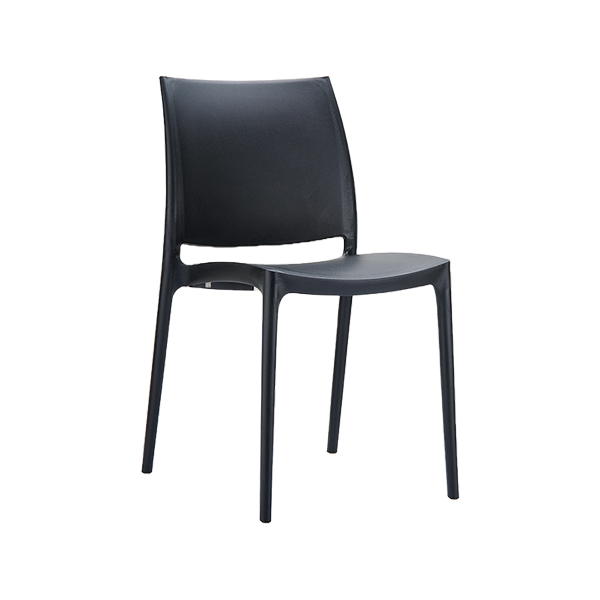
Maya Chair, stackable UV-stabilised polypropylene
The Slim Pool Lounger is the one to look at if your summer revolves around the pool. Stackable, UV-resistant and saltwater-friendly, so it can live outdoors permanently without a cover.
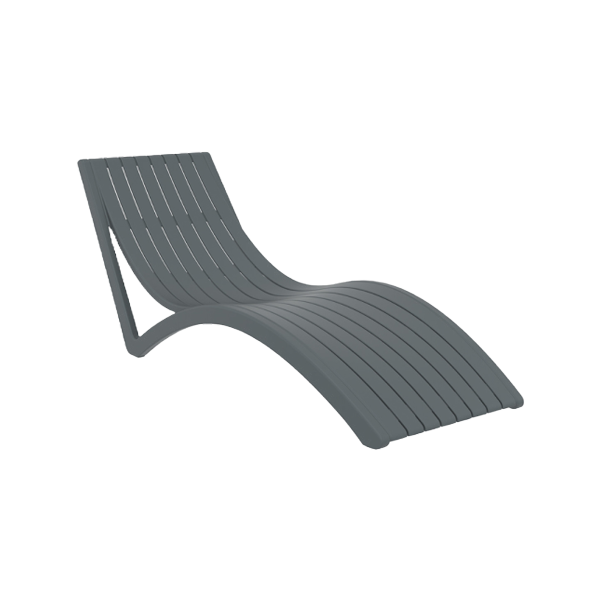
Slim Pool Lounger, stackable and saltwater resistant
The Carmen Armchair suits a dining set that needs to work indoors and out, which is useful when you’re shuffling furniture around a heatwave. The Minx PP Chair is the lighter, more compact option for balconies and smaller courtyards.
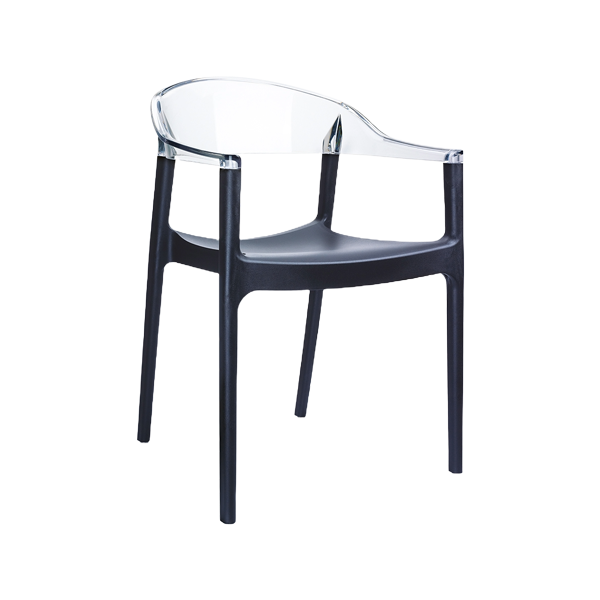
Carmen Armchair, equally at home indoors and out
For a bar counter or a poolside serving area, the Tom Bar Stool (75cm) and the Isabella Barstool both hold up outdoors. And if you want something with more presence for a shaded corner, the Peacock Double Seater is built for outdoor use.
If you’re replacing rather than protecting, do it now. Furniture bought in September gets a full season of use. Furniture bought in January is a purchase made in frustration, usually from whatever is left in stock.
Ready for the heat?
You can also browse the full outdoor seating range, or come and sit on it yourself. We’d rather you sat on a chair than guessed from a photograph.
Visit us in person:
Cape Town: 176 Sir Lowry Road, Woodstock
Johannesburg: Unit 2, 64 Lechwe Street, Midrand
[email protected]
Forecast information in this article is drawn from the NOAA Climate Prediction Center ENSO Diagnostic Discussion (13 August 2026), the South African Weather Service Seasonal Climate Watch (31 August 2026), FEWS NET El Niño 2026-2027 monitoring, and Mail & Guardian reporting (1 September 2026). Seasonal forecasts describe probabilities, not certainties. Check the SAWS website for the latest update before making decisions that depend on it.